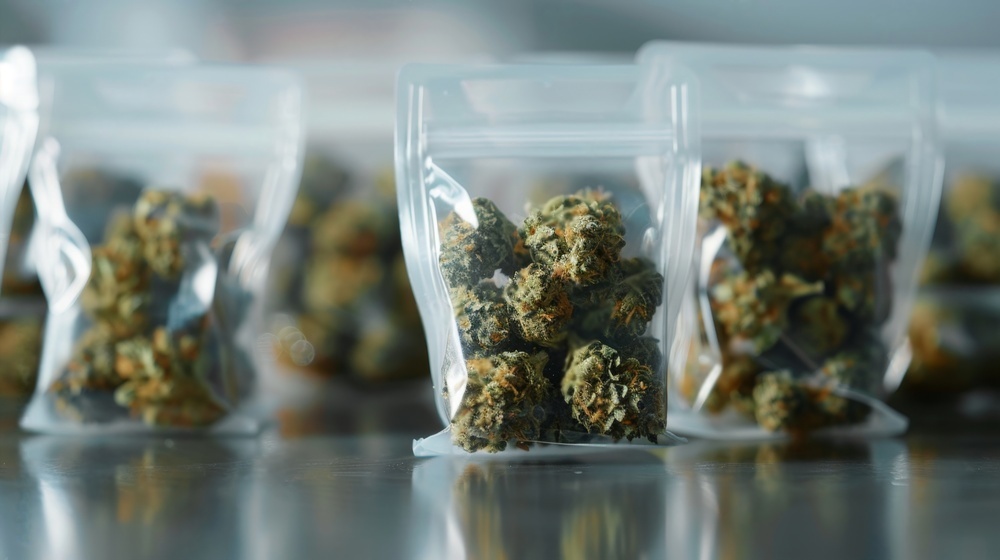
Packaging for cannabis products must be not only attractive but also protective of the product and compliant with the regulations that are typically quite strict. The science behind the packaging materials chosen is the main factor that ensures the potency, freshness, and even the legal aspect of the cannabis products. Any industry business must know these matters.
This guide covers the fundamental topics of material science and 420 packaging concepts that help producers to make the right choice in product and consumer protection.
Understanding Barrier Properties in Cannabis Packaging
The capability of the barriers is what determines how well a cannabis 420 packaging can save the goods from quality-robbing agents of nature. Oxygen, moisture, light, and the ability to emit or absorb odor affect the stability of cannabinoids and the preservation of terpenes.
Good barrier materials are those that keep the cannabis product away from oxygen, which is the main cause of THC and CBD losing their structure and content over time. Also, they regulate the humidity level to prevent the growth of the mold while at the same time, the product gets its ideal texture retained. The reason why UV barriers are there is to keep the product away from light, giving it both its original color and freshness.
Essential Barrier Materials for Cannabis Products
Each material has its own protective capacity at a specific level. Therefore, the choice of materials becomes a pivotal point in the design of efficient 420 packaging.
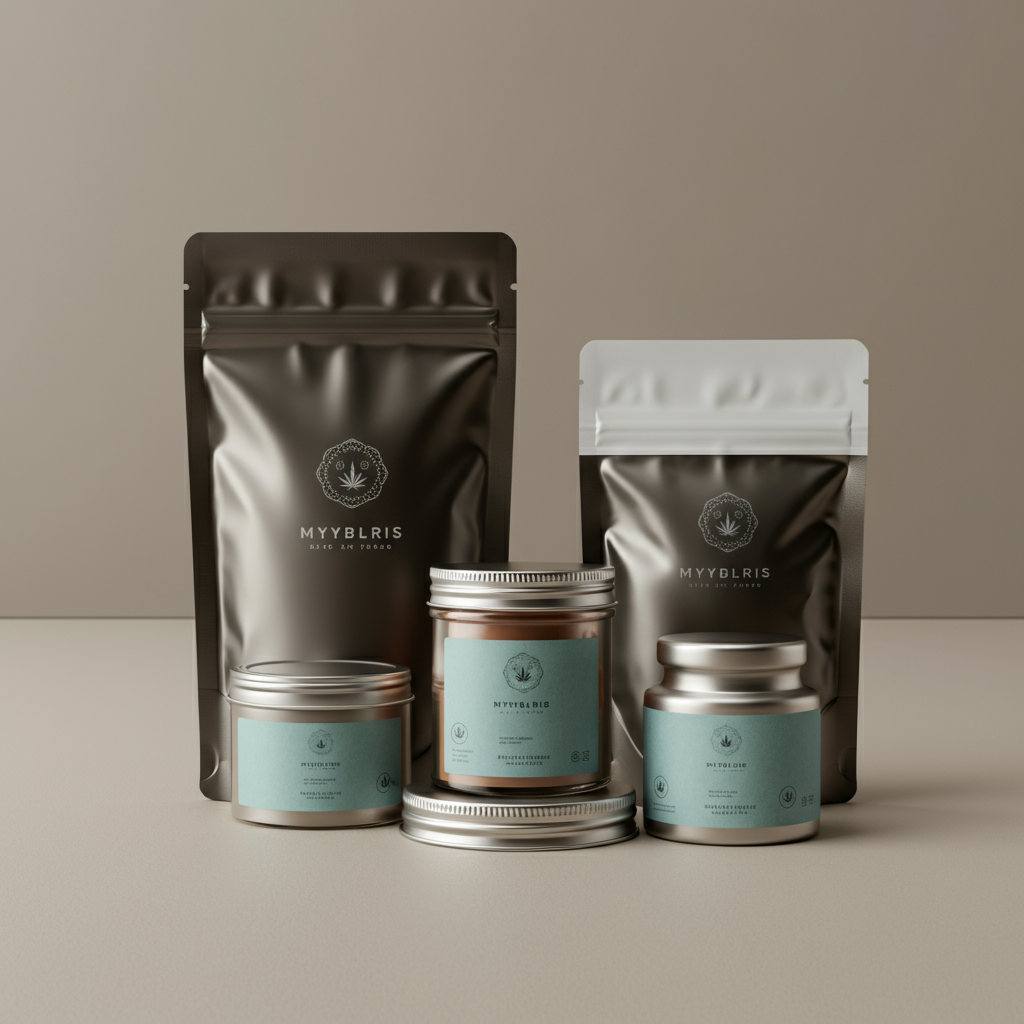
- Mylar: Mylar is one of the most popular choices that provides excellent barrier properties to 3 major elements of the environment, such as oxygen, moisture, and light. Mylar (a registered trademark of biaxially-oriented polyethylene terephthalate, or BoPET) is a very good barrier for oxygen, moisture, and light. As a result, Mylar is very light in weight and highly flexible, and is generally used to make pouches and bags.
- Glass: Being a barrier to gases and moisture is a property of glass. Besides that, it can be recycled infinitely. Though the transparent glass does not give protection from light unless it is colored or sealed.
- Metals: Metals such as aluminum offer a complete barrier to light, oxygen, and moisture. They are usually used for tins and containers, thus providing a 420 packaging with the promotion of the luxurious or the turnkey market’s premium trend solution.
- HDPE Plastic: High-density polyethylene (HDPE) is a robust plastic that provides protection against moisture. Most of the time, it is the material used in the manufacture of compliant, child-resistant containers.
Material Science Behind Effective 420 Packaging
Today, 420 packaging is heavily dependent on polymer science to produce multi-layered barriers. Every layer is there for a certain reason: either for holding the shape, giving barrier protection, or being printable.
Oxygen transmission rates (OTR) and water vapor transmission rates (WVTR) are the most important indicators. Typical cannabis packaging requires an OTR of less than 0.1 cc/m²/day and a WVTR of less than 0.01 g/m²/day.
UV-blocking components in 420 packaging materials are there to absorb the light energy that could bring about photodegradation. These molecules absorb the destructive wavelengths while keeping the package transparent if necessary.
Regulatory Compliance in Cannabis Packaging
420 packaging is required to be child-resistant in most places. The implication of this is that it must be able to pass the tests for child resistance done by CPSC and still be able to be used by adults.
On the other hand, tamper-evident features are compulsory in most cases. These are the tear strips, breakaway seals, or the irreversible parts of the locking mechanisms that indicate if the products have been opened.
Labeling norms differ from state to state and generally require that the information be placed in a specific area and that the font size is adequate. Designing your 420 packaging in such a way that it meets these regulatory requirements without giving up on its barrier properties is a must.
Sustainable Innovations Shaping the Future
Environment-friendly 420 packaging solutions are being developed to ease the situation of the planet. Fully recyclable mono-materials are being used in place of multi-layer structures that have been replaced with complex materials, but still have the necessary barrier properties.
The development of hemp-based packaging materials is an eco-friendly solution from the industry’s by-products. These materials provide decent barriers for various applications while promoting the realization of sustainability goals.
The introduction of refillable and reusable 420 packaging systems is a way to reduce the waste problem and, at the same time, to satisfy the regulations. These breakthroughs are great for heavy consumers and dispensary operations in particular.
Building Better Cannabis Protection
By knowing 420 packaging specifications, you will be sure that your products get to the consumers in perfect condition. Concentrate on those barrier features that are suitable for your product, are in line with the local authorities’ requirements, and think of green options where you can.
The transformation of cannabis packaging is in the materials that can protect, be in compliance, and be environmentally friendly. You can keep up with the market by being aware of the new technological breakthroughs and the changes in the law.